Cook County grants $12.4 million to 17 groups working to stop shootings
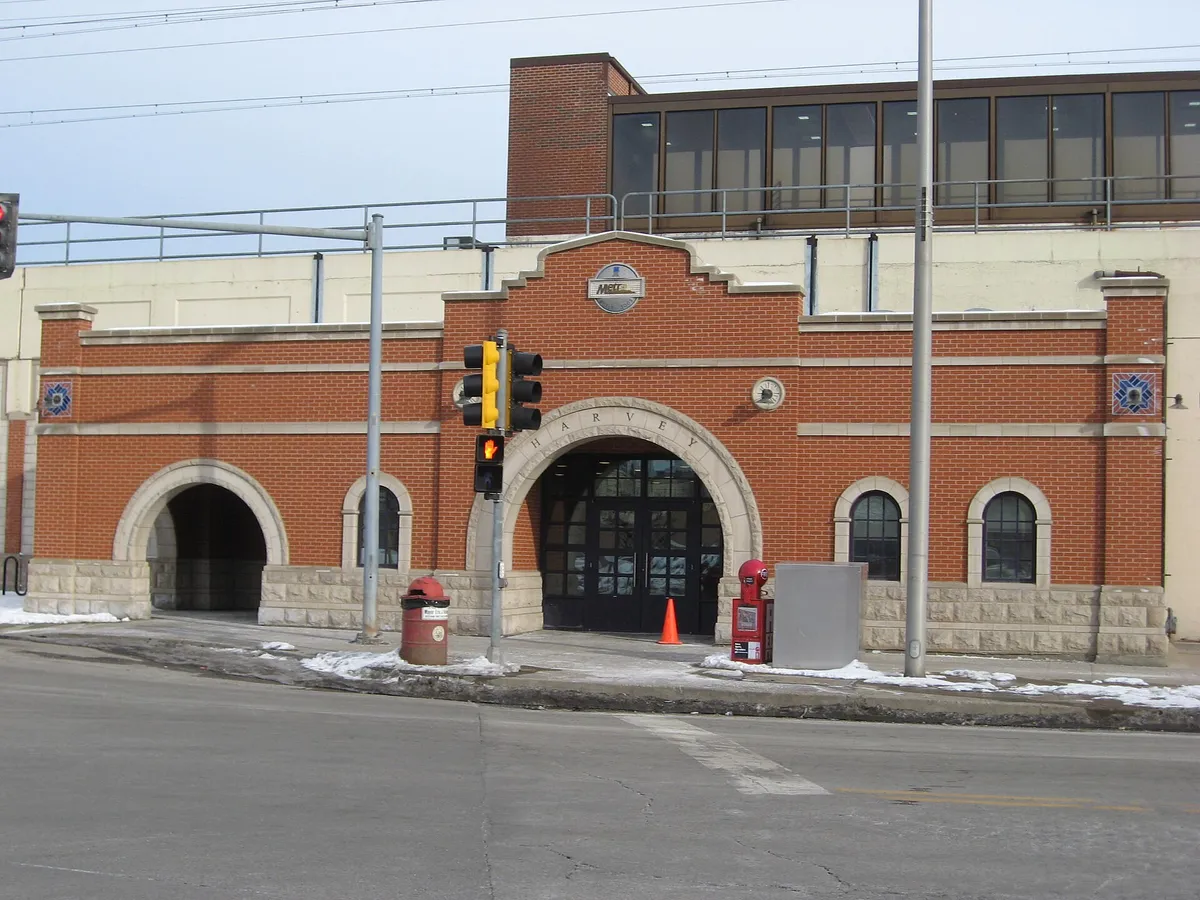
Anti-violence groups will share $12.4 million in new Cook County grants, money that lets programs grow in Chicago's South Lawndale and in south suburbs such as Harvey and Dolton.
The money flows through the Cook County Community Violence Intervention grant initiative, or CC-CVI, Cook County Board President Toni Preckwinkle and the county's Justice Advisory Council said in the county's announcement.
Eight grants were handed out in November. Together they back 17 community-based organizations working in places where gun violence hasn't let up.
That money pays for street outreach workers, case management and help for victims, along with other support for the residents most likely to get caught up in gun violence.
Since 2021, gun homicides across Cook County have dropped by more than 50 percent, and the county said the decline is holding so far in 2026.
Northwestern University's Center for Neighborhood Engaged Research looked at where public spending on violence intervention ran highest. Those communities saw the steepest drop, with gun violence down 42 percent on average, its analysis found.
"CVI saves lives, and we will continue to invest in this work," Preckwinkle said.
"Despite a challenging fiscal environment," she said, Cook County "remains steadfast in its commitment to supporting the programs and services."
South of the city, the Roseland Ceasefire Project is getting ready to grow.
Its CEO, Bob Jackson, said the grant will carry the group's work into south suburbs dealing with shootings, Harvey and Dolton among them, towns that "historically have been underserved."
Besides targeted outreach, the group runs crisis response 24/7 and links people with support services both before and after incidents.
In South Lawndale, Pilsen Wellness Center is widening its Safety and Healing Program, which pairs trauma-responsive specialists with residents at the highest risk of gun violence.
Francisco Cisneros, the center's president and CEO, said the program will help cool down conflicts, "develop individualized safety plans, and connect individuals and families to trauma-informed behavioral health and community support services."
This round comes on top of $5 million the county gave out through CC-CVI earlier in 2026 and $20 million in 2025.
Across all three, that's $37.4 million.
Working with city and state partners, the county is trying to close funding gaps and aim money at the community areas and towns where gun violence runs highest, said Avik Das, executive director of the Justice Advisory Council.
Das said the work is "about addressing disinvestment, supporting community-led healing and breaking cycles of violence that have harmed predominantly Black and brown communities for generations."